

16
2025
-
05
Titanium Alloy Processing Techniques and Composition Characteristics
Titanium alloys are high-performance materials primarily composed of titanium combined with other metallic elements through specialized processing techniques. Their typical composition, processing methods, and application characteristics are as follows:
I. Composition of Titanium Alloys
Titanium (Ti): The primary component (85–99%), providing low density, high strength, and excellent corrosion resistance.
Aluminum (Al): 2.5–6%, enhancing mechanical properties, corrosion resistance, strength, and hardness.
Silicon (Si): 0.5–2%, improving wear and corrosion resistance.
Copper (Cu): 0.5–2%, increasing strength, corrosion resistance, and reducing compressibility.
Nickel (Ni): 0.5–3%, boosting thermal strength and corrosion resistance.
II. Processing Techniques
Melting & Casting: Vacuum arc melting or electron beam melting ensures uniform composition and purity. Temperature and cooling rates are tightly controlled to achieve dense structures.
Forging & Rolling: Performed at elevated temperatures to enhance plasticity and refine grain structure, improving mechanical properties.
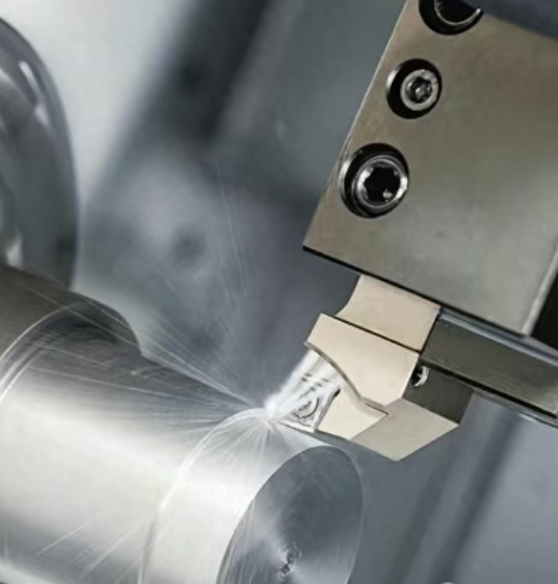
Machining: High-speed cutting with carbide tools minimizes heat generation and tool wear.
Heat Treatment:
Solution treatment dissolves alloying elements to strengthen the material.
Aging treatment precipitates secondary phases for optimized performance.
III. Application Characteristics
Aerospace: Engine blades, structural components.
Medical Devices: Cardiovascular stents, artificial joints.
Automotive: Lightweighting for fuel efficiency.
Chemical Equipment: Corrosion-resistant containers and pipelines.

شرکت محصولات فلزی بائوجی Xinyuanxiang با مسئولیت محدود
اضافه کردنجاده بائوتی، جاده چینگشوی، شهر ماینگ، منطقه توسعه فناوری پیشرفته، شهر بائوجی، استان شانشی
ارسال نامه برای ما
حق چاپ :شرکت محصولات فلزی بائوجی Xinyuanxiang با مسئولیت محدود Sitemap XML Privacy policy


