

16
2025
-
05
Titanium Alloy Processing Techniques and Composition Characteristics
Titanium alloys are high-performance materials primarily composed of titanium combined with other metallic elements through specialized processing techniques. Their typical composition, processing methods, and application characteristics are as follows:
I. Composition of Titanium Alloys
Titanium (Ti): The primary component (85–99%), providing low density, high strength, and excellent corrosion resistance.
Aluminum (Al): 2.5–6%, enhancing mechanical properties, corrosion resistance, strength, and hardness.
Silicon (Si): 0.5–2%, improving wear and corrosion resistance.
Copper (Cu): 0.5–2%, increasing strength, corrosion resistance, and reducing compressibility.
Nickel (Ni): 0.5–3%, boosting thermal strength and corrosion resistance.
II. Processing Techniques
Melting & Casting: Vacuum arc melting or electron beam melting ensures uniform composition and purity. Temperature and cooling rates are tightly controlled to achieve dense structures.
Forging & Rolling: Performed at elevated temperatures to enhance plasticity and refine grain structure, improving mechanical properties.
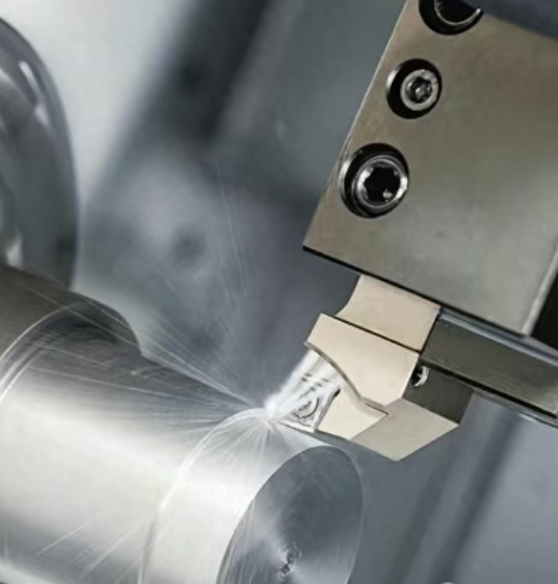
Machining: High-speed cutting with carbide tools minimizes heat generation and tool wear.
Heat Treatment:
Solution treatment dissolves alloying elements to strengthen the material.
Aging treatment precipitates secondary phases for optimized performance.
III. Application Characteristics
Aerospace: Engine blades, structural components.
Medical Devices: Cardiovascular stents, artificial joints.
Automotive: Lightweighting for fuel efficiency.
Chemical Equipment: Corrosion-resistant containers and pipelines.

Baoji Xinyuanxiang Metal Products Co., Ltd
ModugangBaoti Road, Qingshui Road, Maying Town, High-tech Development Zone, Baoji City, Shaanxi Province
Padalhan kami sa mail
Mag-copyright :Baoji Xinyuanxiang Metal Products Co., Ltd Sitemap XML Privacy policy


